
Remembering Our Beloveds
The sacred practice of speaking their names and staying present to the life still here.
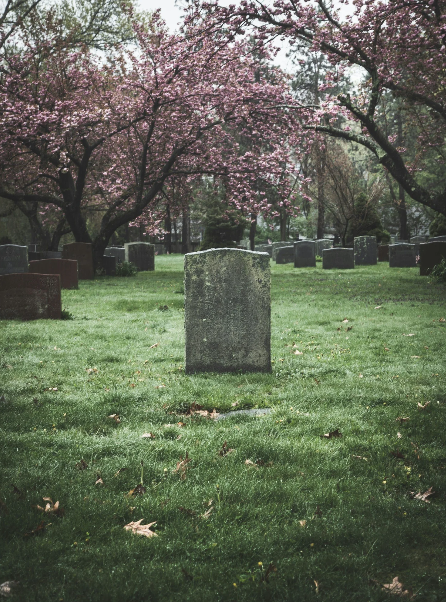
Last week, in connection with a new business opportunity, I had the good fortune of catching up with a former client. Together, we realized it had been 13 years since we had worked together. My, how time flies.
I asked about several people from those days - one woman in particular - and learned, to my great surprise, that her husband had died several years ago and that she, too, had died last year.
My heart has been a little heavy ever since.
At the same time, I have been immersed in a massive clearing project: liberating my office, and the hallway leading to it, from approximately 20 boxes of flotsam and jetsam accumulated across 66-plus years of productive living and working.
As I have sifted through box after box, I have found cards and notes - some written by me, others written to me - from friends, work friends, former colleagues and family members. Many of them have also passed on.
And while preparing for my first Main Stage talk, delivered August 13, 2026, at eWomenNetwork’s annual conference, ICON’26, I felt the presence of my younger sister all around me.
The talk began with her death by suicide. She was 18. I was 24.
I felt her with me for weeks as I prepared. I felt her while I was there. I still do.
More and more, my mind and heart have wandered toward the people I once loved, admired, trusted and looked to for guidance, inspiration, mentoring and support.
Beloveds on many levels.
Beautiful humans.
Gone too soon.
Here in Tucson, we have a beautiful and revitalizing collective ritual called the All Souls Procession - the culmination of weeks of activities devoted to deepening our connection with community and with loved ones who have died.
The procession is not the same as Día de los Muertos, the traditional Mexican observance, although the two are often associated and share some resonant themes. In my own heart and experience, they overlap in their reverence for memory, grief, love and continuing relationship.
What I love most about this communal experience is its devotion to remembrance: the sense that when we speak the name of someone who has died, we keep something of them alive among us.
During the procession, a large, beautifully crafted urn moves quietly through the streets. People place messages, prayers, names, photographs and remembrances inside it. At the finale, after much ritual and ceremony, the urn is set aflame.
The gathered crowd becomes reverent and still. Each person remembers someone. Names are spoken quietly into the night air.
Across cultures and spiritual traditions, we find versions of the belief that people remain present through memory, story, prayer and the speaking of their names. Some describe a “second death”: the moment when no one living remembers who a person was.
During my second year of Mystery School - a year devoted to studying world religions - I attended Orthodox prayer services and filled baskets with cards bearing the names of people I had been asked to pray for, both living and deceased.
Something about that felt vital.
And loving.
So, in honor of a small handful of those who have been coming to my heart and mind lately, I want to say their names here and offer a simple remembrance.
Because I can.
Because their lives mattered.
I invite you to listen and, if you feel moved, to create your own version of this practice.
This is not an exhaustive list. It is simply representative of the journey I am on right now.
Each of these beautiful humans was gone far too soon.
Mr. C
Thank you for being the best math teacher ever. Thank you for letting me eat lunch in the math lab and for creating sanctuaries of safety when neither home nor school felt safe.
Thank you for believing in me, for quietly underwriting me - as I later learned - and for nudging me to play and to be bigger than I imagined possible.
Art R.
Thank you for your energy, your imagination and the possibilities you modeled.
You showed me that if you can imagine something, believe in it and work hard, it may actually come true. You also showed me that people can have fun in an office building, on a work team and inside a movement.
I still have the high-end scooter you gave me. I remember, with great fondness, so many of us scootering through the office.
Sue W.
Thank you for reminding me that a woman could be an effective leader - and wildly successful - inside a man’s world.
Thank you for your generosity and grace when I needed encouragement, humor or a shift in perspective. Thank you, too, for embracing motherhood and for the companionship I felt with you in that part of our lives while we were also doing demanding work.
Ila C.
Thank you for inviting me into your world and into your dreams for leadership in the nonprofit sector. Thank you for our budding friendship and our after-hours conversations.
I am sorry we lost touch. I was shocked to learn, years later, of your husband’s passing and then your own.
While you were here, you cared deeply - for the people in your personal life and for those in your professional life. Your caring reminded me that this is among the most important qualities we can cultivate as human beings, especially when we choose to lead and support others.
Allison Joy
Thank you for being with me in spirit these past several weeks.
I sometimes wonder what life would have been like had you lived. And yet I find myself enriched by our conversations as though you were still here. I do not know how that works, but I will take it.
I found your old letters, evidence that I must have written many to you, too - that we were engaged in conversations I can no longer remember.
Perhaps it is enough, for now, to say your name and to say aloud:
I loved you then. I love you even more now.
Last night, I floated naked - yes, naked - in our pool beneath a growing moon. I felt the presence of so many departed friends, family members and beloved others around me.
I know I will join them someday (hopefully not too soon) and there is comfort in that knowing.
In the meantime, remembering them fills my heart. It reminds me to feel. To let the emotions move. And to let them move me. To remember that there is power in vulnerability and vulnerability in power.
This, too, is leadership.
Self-leadership. Self-mastery.
Not controlling what we feel. Not hurrying grief away. Not abandoning ourselves when something tender, inconvenient or impossible to explain asks for our attention.
It is the practice of staying in relationship with who and what is here, right now - at the level of thought, feeling, sensation and spirit.
All of it is living.
And that is the point, isn’t it?
May you feel moved to do your own remembering and naming of those you have loved over the years.
And may each of us be present to those who are still here - including ourselves - while that is still an option.
Love,
Dori
A Few Questions About Remembering Our Beloveds
How can we remember loved ones who have died?
We can speak their names, tell their stories, revisit letters or photographs, cook something they loved, light a candle, offer a prayer, visit a meaningful place or create a ritual that feels true to the relationship. There is no single right way to remember. The most meaningful practice is often the one that allows love and grief to be expressed, to move through us, honestly.
Why is speaking a deceased person’s name meaningful?
Speaking someone’s name acknowledges that they lived, that they mattered and that they continue to have a place in our memories and stories. Saying a name aloud can make remembrance tangible and can help us remain in relationship with the meaning that person brought into our lives.
Can remembering someone be part of healing?
Yes. Healing does not require forgetting or “moving on” from love. Remembering can help us carry a relationship differently: honoring what was, acknowledging what remains and staying present to the life that is still here.
What might a personal remembrance practice look like?
It might be as simple as saying a name beneath the night sky. You might write a letter, create an altar, play a beloved song, share a story or sit quietly with whatever comes. The practice need not be elaborate. Presence is enough.
And perhaps the most important question is this:
Who is still here - yourself included - waiting to be seen, loved, named or appreciated while there is still time?